
Introduction
Modern life often leaves people feeling tired, mentally overwhelmed and physically tense. Long working hours, limited movement, irregular routines and everyday stress can affect both the body and mind. This is why many people are now exploring traditional wellness practices that encourage relaxation and self-care. Among the many therapies described in Ayurveda, Abhyanga is a well-known practice involving the application of warm oil with gentle, systematic massage techniques. It is traditionally used as part of an Ayurvedic daily routine and may also be included in personalised wellness programmes. Ayurveda describes health as a state of balance that involves the body, mind and overall wellbeing. The Abhyanga massage benefits go beyond the temporary feeling of relaxation that many people associate with a massage. The practice is traditionally valued for nourishing the skin, easing feelings of tiredness and supporting a calmer state of mind. At a professional wellness centre, the therapy may be tailored according to an individual’s constitution, comfort and wellness needs.
What Is Abhyanga Massage?
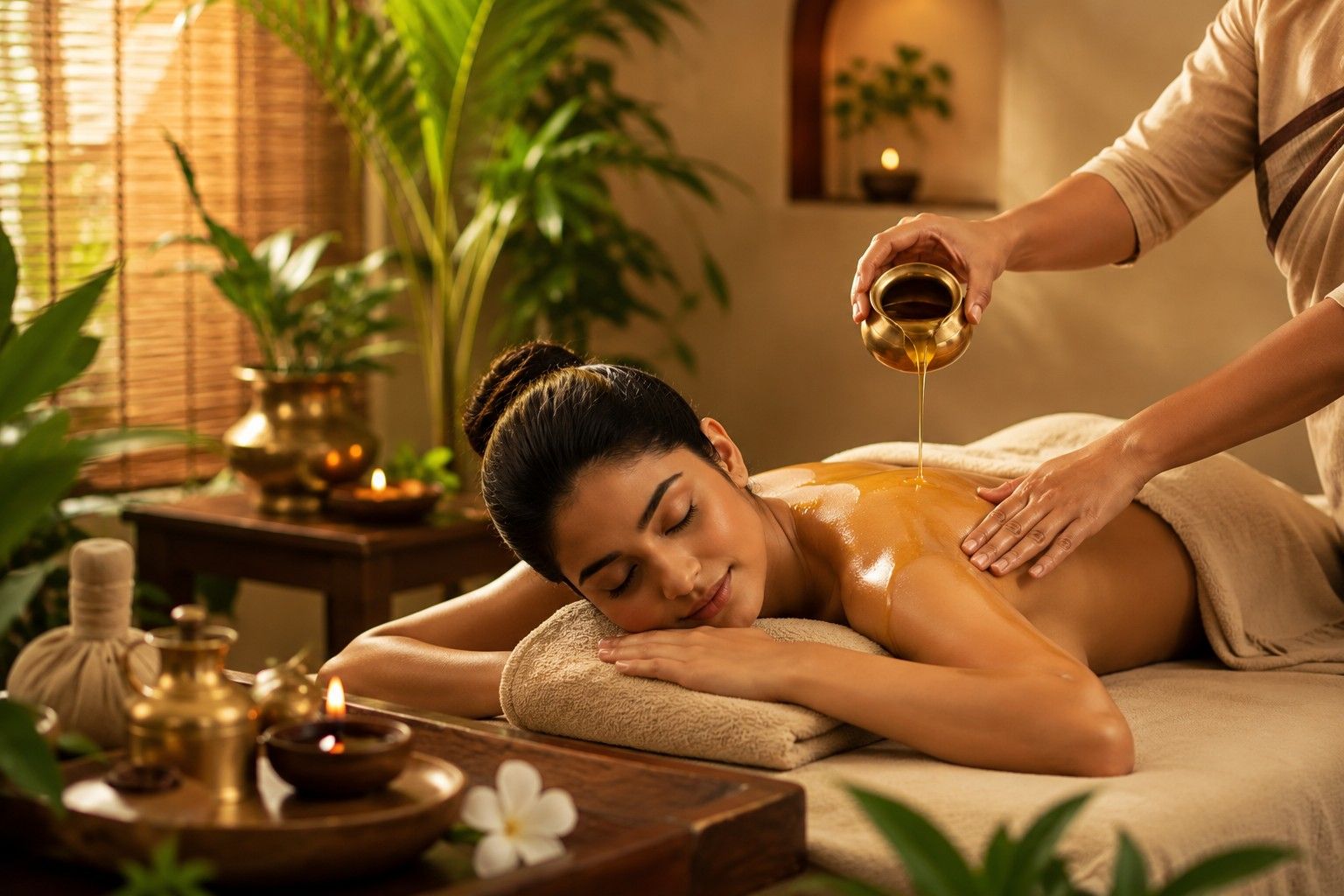
Abhyanga is a traditional Ayurvedic oil massage in which warm plain or herbal oils are applied to the body using gentle and rhythmic strokes. The practice has an important place in Dinacharya, the Ayurvedic concept of a healthy daily routine.
Unlike a standard spa massage, an Ayurvedic approach may consider factors such as the person’s constitution, current lifestyle and overall wellness requirements. The choice of oil and the massage approach may therefore vary depending on the individual and the guidance of a qualified practitioner.
A typical session may involve applying warm oil to different areas of the body through long strokes over the limbs and gentle circular movements around joints. The calming environment, warmth and rhythmic touch can create a deeply relaxing experience.
Abhyanga Massage Benefits for Body and Mind
1. Promotes Deep Relaxation
One of the most appreciated benefits of Abhyanga is the sense of relaxation it can provide. Warm oil and gentle massage movements can create a soothing experience, especially after a demanding day or a busy routine.
Massage and rhythmic touch may help people feel calmer in the moment and support subjective relaxation. However, individual experiences can vary, and Abhyanga should not be presented as a treatment or cure for stress-related medical conditions.
2. Supports a Feeling of Reduced Muscle Tension
Physical inactivity, long periods of sitting and repetitive movements can leave the body feeling stiff or tired. Gentle massage movements may help create a feeling of looseness and comfort in the muscles.
This can make the therapy a useful addition to a broader wellness routine that includes regular movement, stretching, appropriate rest and professional guidance when needed.
3. Nourishes and Softens the Skin
Warm oils are an important part of the Abhyanga experience. Oil application can help moisturise the skin and support a softer, more nourished feeling, particularly for people who experience dryness.
The type of oil used may be selected according to traditional Ayurvedic principles or individual skin and wellness considerations. People with sensitive skin or allergies should discuss suitable options with a qualified practitioner before treatment.
4. Encourages Better Self-Care
Regular self-care can be difficult to maintain in a busy lifestyle. Taking time for a calming wellness practice can encourage people to slow down and pay more attention to their physical and mental needs.
Whether performed as self-massage or received at a wellness centre, Abhyanga can become part of a more mindful routine that also includes healthy food habits, adequate sleep, movement and relaxation.
5. May Support a Calmer Evening Routine
Many people feel relaxed after receiving a gentle massage, and a calming evening routine may help prepare the body and mind for rest. Abhyanga is traditionally associated with relaxation and sleep support, although evidence specific to diagnosed sleep disorders remains limited.
Persistent sleep problems should be assessed by an appropriate healthcare professional rather than relying only on a wellness therapy.
How Is an Abhyanga Session Performed?
A professional session generally begins with an assessment of individual comfort and wellness requirements. The oil is gently warmed to a comfortable temperature before application.
The process may include:
- Preparation of the body and a calm treatment environment
- Selection of a suitable oil
- Gentle application of warm oil
- Systematic massage using long and circular strokes
- Focus on areas that feel tense or tired
- A short period of rest after the session
The exact approach can vary. A qualified Ayurvedic practitioner may recommend a personalised wellness plan instead of using the same technique for every person.
Abhyanga Massage Benefits at a Professional Wellness Centre
Although simple self-massage can be part of a personal routine, visiting a professional wellness centre can provide a more guided experience. A trained team can help select an appropriate approach based on your individual needs and comfort.
A good wellness centre should focus on:
- Personalised wellness guidance
- Clean and comfortable treatment spaces
- Appropriate selection and handling of oils
- Experienced and trained practitioners
- Clear communication about the therapy
- A holistic approach to lifestyle and wellbeing
Professional guidance is particularly valuable when a person has an existing health concern, skin sensitivity or any condition that may require precautions before receiving massage therapy.
Abhyanga Massage Benefits and Overall Holistic Wellbeing
Wellbeing is not limited to one part of life. Physical comfort, relaxation, sleep habits, movement, nutrition and emotional balance can all influence how a person feels.
The Abhyanga massage benefits can be best understood as part of a wider holistic wellness approach. Rather than expecting one therapy to solve every health concern, it can be combined with healthy daily habits and professional advice where necessary.
For example, an Ayurvedic wellness programme may also include personalised lifestyle guidance and other traditional therapies such as Panchakarma, depending on individual requirements and practitioner recommendations. At Urja Ayurved, Abhyanga is included among Ayurvedic therapies designed to support relaxation, rejuvenation and personalised wellbeing.
Who Should Consider Abhyanga Massage?
People may consider this traditional wellness practice when they want to include more relaxation and self-care in their routine. It may appeal to individuals who experience:
Everyday tiredness
A busy and demanding lifestyle
Feelings of physical stiffness
Dry or dull-feeling skin
A need for relaxation and mindful self-care
A desire to explore traditional Ayurvedic wellness practices
However, Abhyanga is not suitable for every situation. People with fever, acute illness, certain skin conditions, open wounds or other health concerns should seek appropriate professional advice before receiving the therapy.
Conclusion
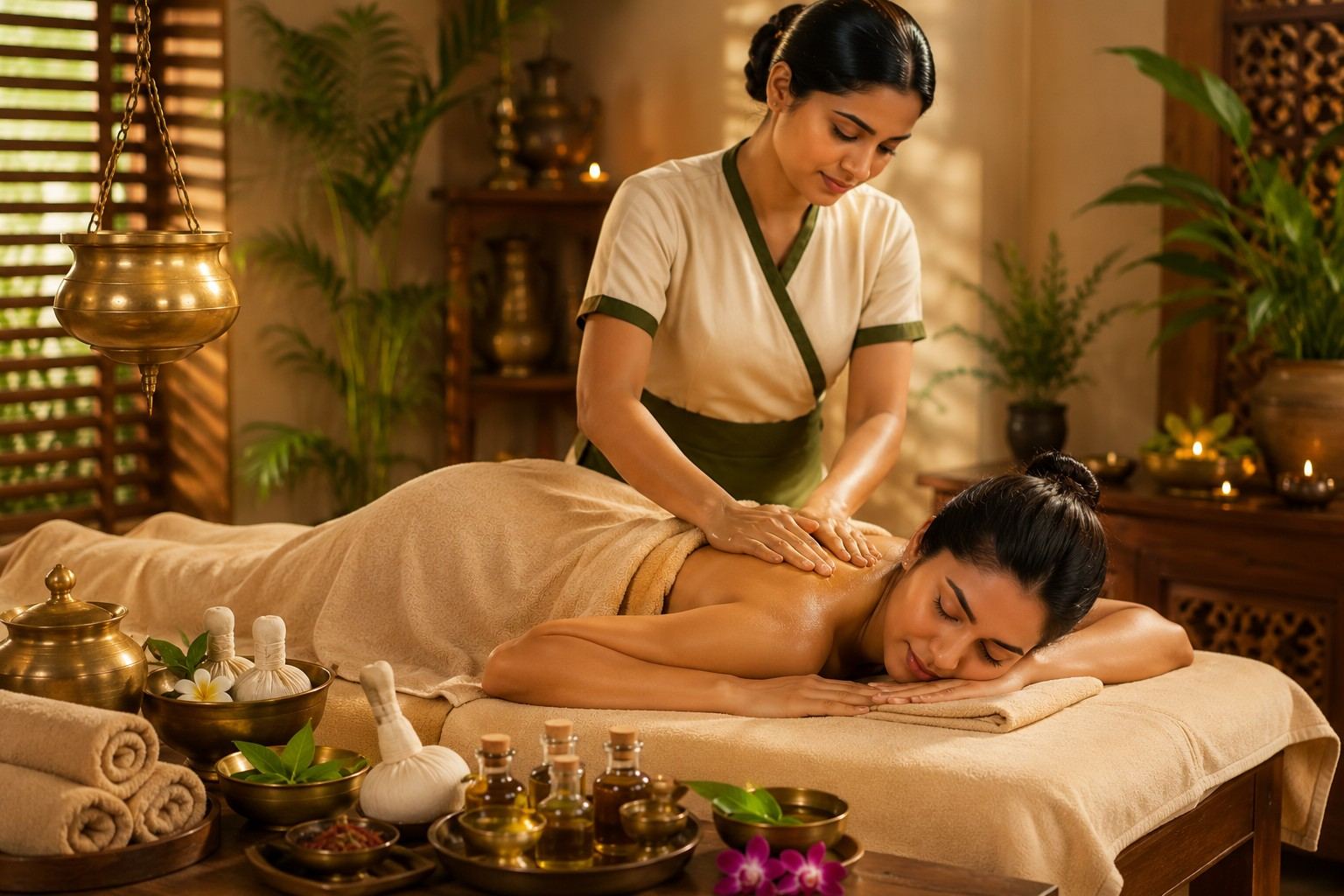
Abhyanga offers a traditional approach to slowing down and giving the body and mind time for care. The warmth of the oil, gentle massage movements and peaceful environment can make the experience deeply relaxing and supportive of an overall wellness routine.
For people seeking a more personalised experience, a trusted wellness centre can help ensure that the therapy is approached with proper guidance and attention to individual comfort. Combined with healthy daily habits, adequate rest and a balanced lifestyle, this traditional Ayurvedic practice can be a meaningful part of a holistic wellbeing journey.