
INTRODUCTION
Modern life often comes with demanding schedules, constant responsibilities, and digital distractions. As stress levels continue to rise, many individuals are seeking natural solutions to improve their mental well-being. One of the most effective approaches, a practice that combines physical movement, mindful breathing, and meditation to promote relaxation and emotional balance. The growing popularity of Yoga for Stress and Anxiety is supported by both ancient wisdom and modern research. Regular yoga practice can help calm the nervous system, reduce stress hormones, and improve overall mental health. Many individuals are also turning to professional Yoga Classes in Delhi to receive expert guidance and build a consistent wellness routine. Whether you are experiencing occasional stress or ongoing anxiety, yoga offers a holistic way to restore balance, improve emotional well-being, and promote inner peace.
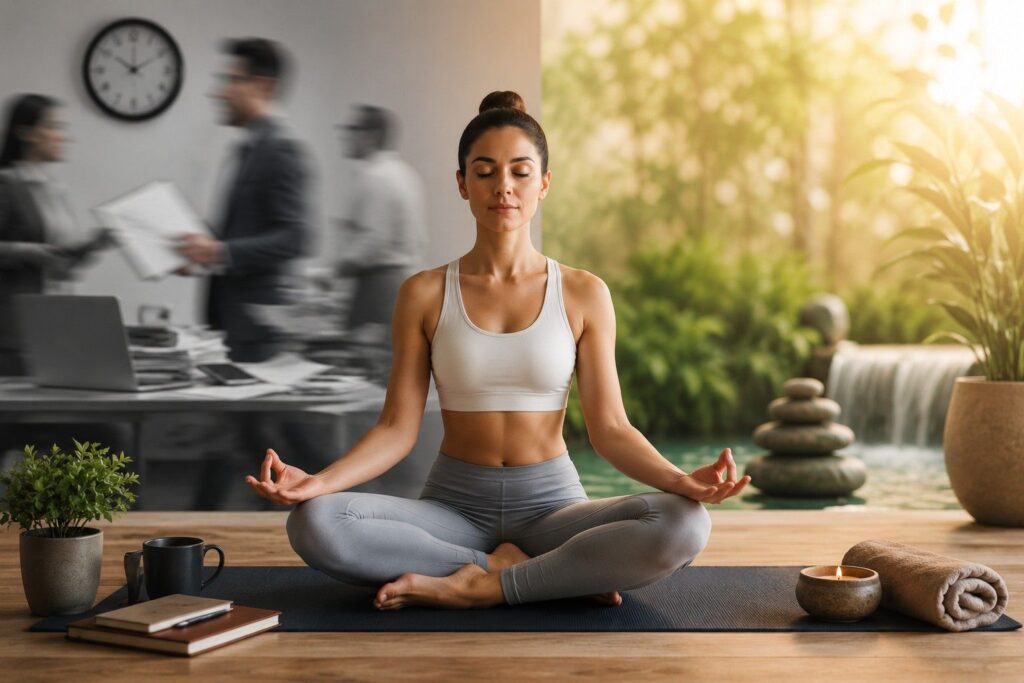
What Is Yoga for Stress and Anxiety?
Yoga refers to specific yoga practices designed to calm the mind, relax the body, and improve emotional well-being. Unlike high-intensity workouts, yoga focuses on mindful movement, controlled breathing, and mental awareness.
The primary goal of Yoga is to activate the body’s relaxation response while reducing the physical and emotional effects of stress. Through regular practice, individuals can develop greater resilience and emotional stability.
How Yoga for Stress and Anxiety Works
Stress affects both the mind and body. It can lead to muscle tension, sleep disturbances, digestive issues, and emotional exhaustion. One of the major benefits of Yoga is its ability to address these concerns simultaneously.
Yoga works by:
Reducing cortisol levels
Encouraging deep breathing
Relaxing tense muscles
Improving circulation
Enhancing mindfulness
Supporting nervous system balance
These effects help create a sense of calm and improve overall mental wellness.
Physical Benefits of Yoga for Stress and Anxiety
The physical effects of stress often appear as tension and discomfort throughout the body.
Reduces Muscle Tension
One of the immediate benefits of Yoga for Stress and Anxiety is the release of muscle tightness in the neck, shoulders, and back.
Improves Sleep Quality
Many people struggling with anxiety experience difficulty sleeping. Regular Yoga for Stress and Anxiety practice can promote relaxation and improve sleep patterns.
Enhances Energy Levels
By improving circulation and reducing stress-related fatigue, yoga helps individuals feel more energized and refreshed.
Mental Benefits of Yoga for Stress and Anxiety
The mental health benefits of yoga are among the primary reasons people begin practicing.
Promotes Emotional Balance
Consistent Yoga practice encourages emotional stability and self-awareness.
Improves Focus and Concentration
Yoga helps train the mind to remain present, reducing mental clutter and improving concentration.
Supports Positive Thinking
Many practitioners report feeling more optimistic and emotionally resilient after engaging in Yoga regularly.
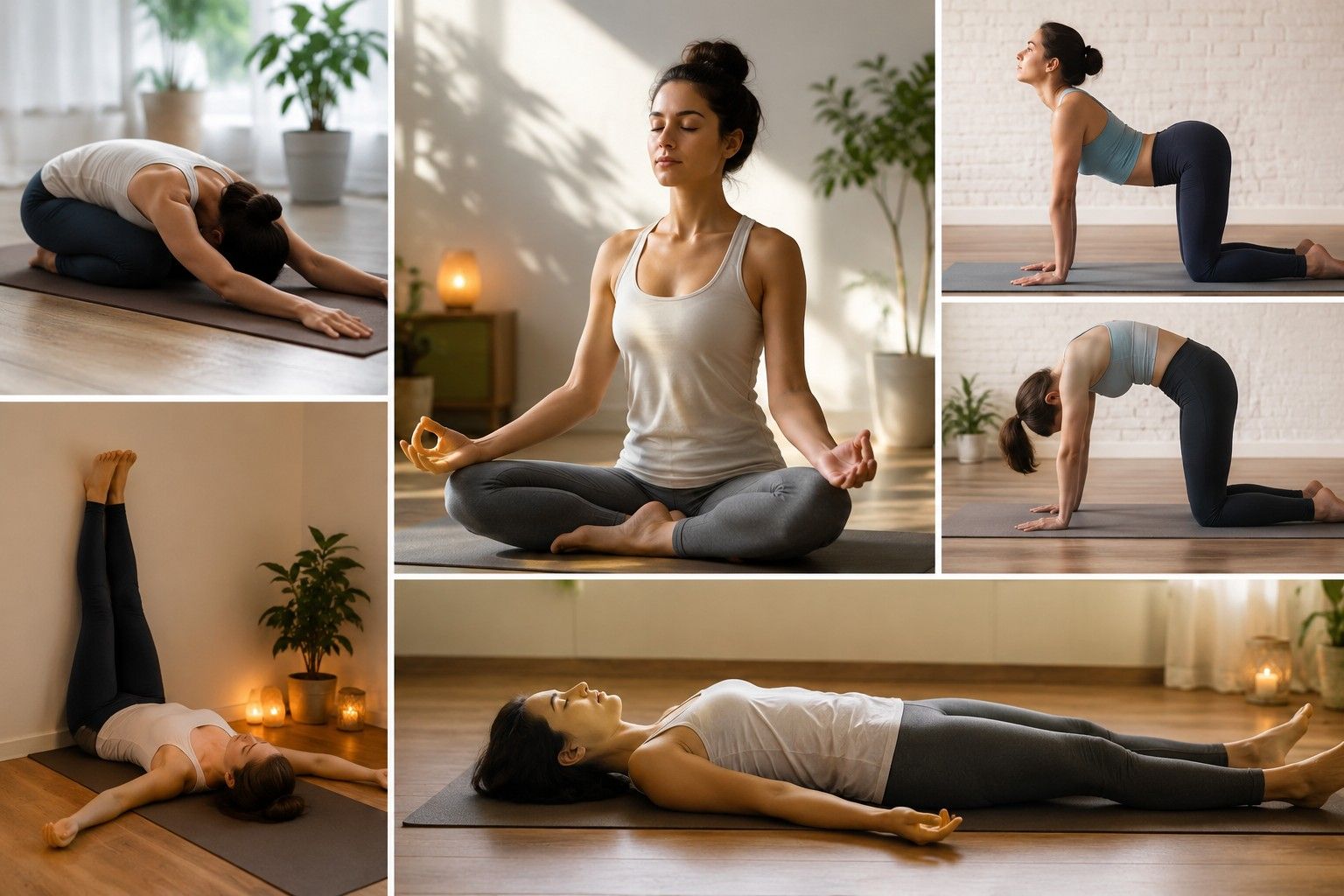
Best Yoga Poses for Stress Relief
Certain yoga postures are particularly effective for relaxation and stress management.
Child’s Pose (Balasana)
A gentle posture that promotes relaxation and relieves tension.
Cat-Cow Stretch
Helps release spinal tension while encouraging mindful breathing.
Legs-Up-The-Wall Pose
Supports relaxation and improves circulation.
Corpse Pose (Savasana)
One of the most effective poses used in Yoga sessions for deep relaxation.
Breathing Techniques in Yoga for Stress and Anxiety
Breathing exercises play a crucial role in reducing stress levels.
Common techniques include:
Deep diaphragmatic breathing
Alternate nostril breathing
Ujjayi breathing
Mindful breathing exercises
These techniques help regulate the nervous system and promote a calm mental state.
Scientific Evidence Supporting Yoga for Stress and Anxiety
Research has shown that yoga can help reduce stress-related symptoms and improve psychological well-being. Many studies suggest that regular yoga practice may lower cortisol levels, improve mood, and enhance overall quality of life.
The effectiveness of Yoga is often linked to its ability to combine physical movement, breath control, and mindfulness into a single holistic practice.
How Often Should You Practice Yoga for Stress and Anxiety?
For optimal results, experts generally recommend practicing Yoga at least three to five times per week.
Even short daily sessions can provide benefits such as:
- Reduced stress
- Better sleep
- Improved mood
- Enhanced focus
- Increased relaxation
Consistency is more important than intensity when it comes to achieving long-term results.
- Yoga for Stress and Anxiety and Holistic Wellness
- Yoga is most effective when combined with healthy lifestyle habits.
To support overall well-being, consider combining Yoga:
- Meditation practices
- Balanced nutrition
- Adequate sleep
- Mindfulness techniques
- Stress management programs
This holistic approach can help maintain mental and emotional balance over time.
Conclusion
The growing popularity of Yoga for Stress and Anxiety reflects its effectiveness as a natural approach to mental wellness. Through mindful movement, breathing techniques, and relaxation practices, improve emotional balance, and support overall health. By incorporating Yoga into your daily routine, you can develop greater resilience, enjoy improved well-being, and create a stronger connection between mind and body.
Yes. Yoga helps activate the relaxation response, reduce cortisol levels, and improve emotional well-being.
Gentle styles such as Hatha Yoga, Restorative Yoga, and Yin Yoga are often recommended.
Some individuals notice relaxation after a single session, while long-term benefits develop through consistent practice.
Yes. Most stress-relief yoga practices are beginner-friendly and can be adapted to different fitness levels.